Top 5 Painting Techniques to Achieve an Ultra-Realistic Finish
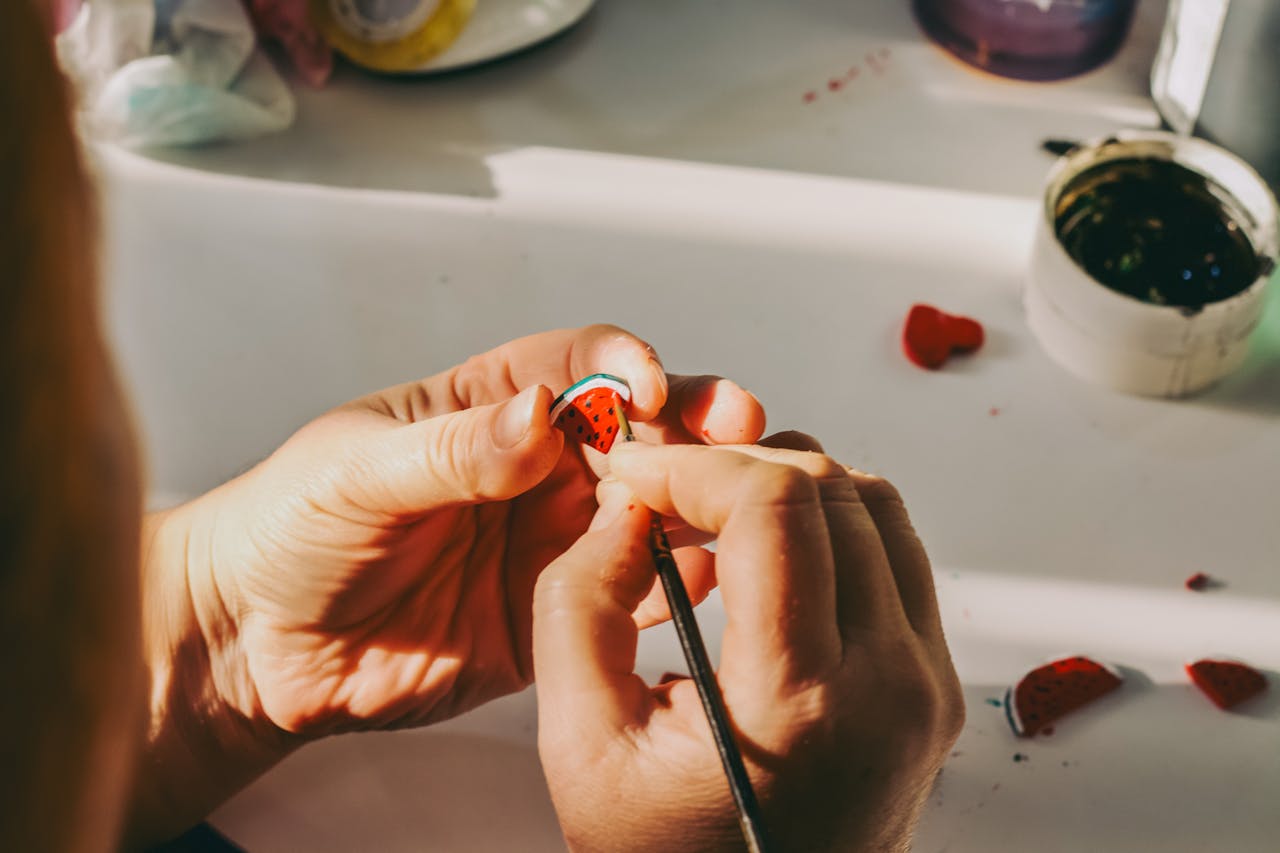
Painting miniatures is an art form, and achieving that ultra-realistic look is what sets a great model apart from a good one. So, whether you’re just getting started or you’re a seasoned pro, let’s dive into the top techniques that’ll take your painting game to the next level. Trust me, with a little practice, you’ll be amazed at the results !
One thing I’ve learned over the years is that it’s not just about layering on paint-it’s about controlling light, shadows, and texture. If you’ve ever been to a miniature painting competition or browsed some of the amazing work out there, you’ve probably seen models that look so real you can almost feel them. Well, achieving that level of detail isn’t as difficult as it seems, once you get the hang of the right techniques. You might even want to check out some of the inspiration over at cuisine-meuble-decoration.fr, where they dive into everything from DIY projects to highly detailed models.
1. Wet Blending : The Secret to Smooth Transitions
Ever seen those models with perfectly blended highlights and shadows that seem to melt into each other ? That’s what wet blending is all about. This technique involves blending two or more wet paints together on the model itself. It’s tricky at first, but once you nail it, you’ll be able to create transitions so smooth, they almost look airbrushed.
Here’s a pro tip : keep your paint thinned with water, and work in small sections. Try not to rush-patience is key. And don’t forget to clean your brush frequently to avoid muddy colors. Honestly, when I first tried wet blending, I was shocked at how real it looked. It’s like magic !
2. Layering : Building Depth with Thin Layers
Layering is one of the most fundamental techniques, but don’t let its simplicity fool you-it’s incredibly powerful. The idea here is to apply thin, controlled layers of paint, gradually building up from dark to light. Each layer should be a little lighter and more opaque than the one underneath, creating depth and volume.
The trick is to make sure your layers are thin enough that you can still see some of the previous ones underneath. This is especially effective for skin tones, fabric textures, and even armor. I’ll be honest, I used to get frustrated with this, thinking it would never look right. But once I understood that it’s all about building layers, piece by piece, I got the hang of it.
3. Dry Brushing : Bringing Out the Details
Dry brushing is an old-school technique that still gets results every time. It’s perfect for bringing out surface details like texture, armor, or wrinkles in clothing. You just take a small amount of paint on a nearly dry brush and gently sweep it over the raised areas of your model. This highlights the details without covering the deeper recesses, which will stay darker.
It’s also a great technique to use on terrain pieces, like rocks and trees, to add that extra layer of realism. I love the texture it adds-it’s like bringing the model to life. The first time I dry brushed a stone texture, I couldn’t stop staring at it. The way the highlights caught the light-wow !
4. Glazing : Subtle Shifts in Color
If you want to add richness to your models without losing that smooth transition between colors, glazing is the way to go. It’s a technique where you apply thin, transparent layers of paint over your base coat to shift the color and create depth.
Glazes can be used to warm up or cool down a model’s tones. Want to give a face a natural flush ? Add a red glaze over the cheeks. Need to deepen the shadows on a cloak ? A blue glaze works wonders. It’s a simple technique, but the effect is super powerful. Honestly, it’s one of those little tricks that elevates your painting instantly. The change in color isn’t dramatic, but it’s definitely noticeable.
5. Washes : Shading Made Easy
Washes are a godsend for adding depth and shadows to your models, and they’re one of the easiest techniques to master. A wash is basically a very thin layer of paint that flows into the recesses of your model, instantly darkening them. It’s perfect for armor, folds in clothing, or the nooks and crannies on a miniature.
For me, the best part about washes is that they’re forgiving. If you apply too much, you can always remove excess with a clean brush or sponge. And the way they bring out the details is almost magical. I remember washing a knight’s armor for the first time, and seeing all the tiny grooves pop out-it’s like the model suddenly had more life.
Conclusion : Practice Makes Perfect
At the end of the day, the key to ultra-realistic painting is practice. Don’t be afraid to experiment with these techniques, and trust me-each time you paint, you’ll notice improvement. The more you push yourself, the better your results will be. It’s all about taking your time, experimenting, and most importantly, having fun with the process.
So, what do you think ? Ready to give these techniques a try on your next project ? Which one are you most excited to experiment with ? I’d love to hear your thoughts and see what you create !